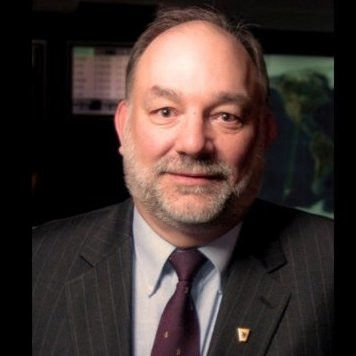
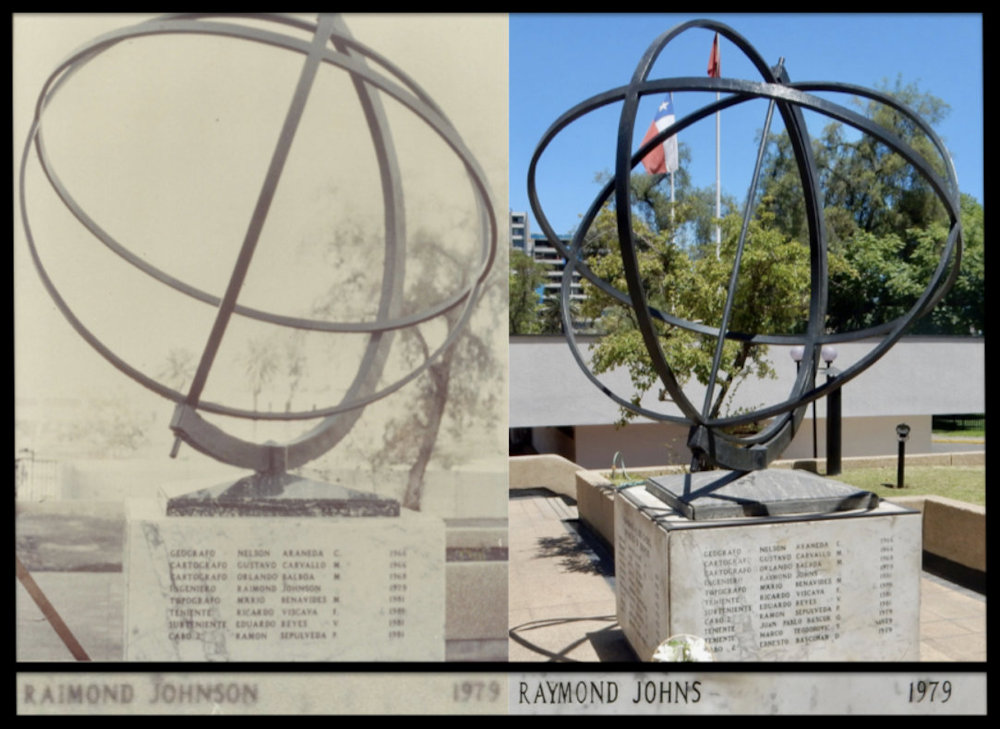
When I began researching my grandfather Raymond Johns, one of the first websites I found was a Tribute written by a gentleman named Jack Hild, who decided to research all the lives lost during the IAGS project.
There were 15 accidents in total, resulting in 34 American lives lost between 1948 and 1979, plus an unknown number of Latin American lives.
When I asked Jack how he came to be interested in the topic of deaths during the IAGS project, his response was as follows:
The IAGS production manager at the Defense Mapping Agency worked for me in the late 80s as IAGS was winding down. The transition didn’t go well and IAGS got a bad reputation (undeserved as I’ve learned).
Fast forward to 9/11 – I met General Franks in Tampa in late Sept 2001. His direction was to be prepared to map anywhere in the world. We didn’t have nearly the resources needed and so we followed Frank’s lead and built a ‘mapping coalition’. It’s called MGCP, the Multi-national Geospatial Co-production Program (a mouthful for sure).
In short order we had 28 nations committed to work together to map wherever coalition forces were deployed. It’s been a huge success, has grown and expanded and is now the largest single source of military mapping for the US and many of our partner nations.
The MGCP experience opened my eyes to how well international cooperation can work. Fast forward another 10 years and I heard a story about the NGA Director laying a wreath at the Chilean Memorial.
Then in 2016, I started some volunteer work at NGA. I stumbled upon the IAGS newsletter, Que Pasa, and remembered the Chilean memorial story. I started looking for information on the memorial and started reading the stories of all the other accidents. I ended up reading nearly every issue over 40 years.
I was an executive at NGA and worked there and DMA for 30+ years. I NEVER heard a story about anyone losing their life. I asked a lot of “older” staff and found no one who had any knowledge. I was angry that the stories had been lost. To this day I can’t explain why, but my motivation to do this research was to rectify that oversight. I wanted to tell the stories so that they would be remembered at NGA and so that family members might gain a little more insight into their work.