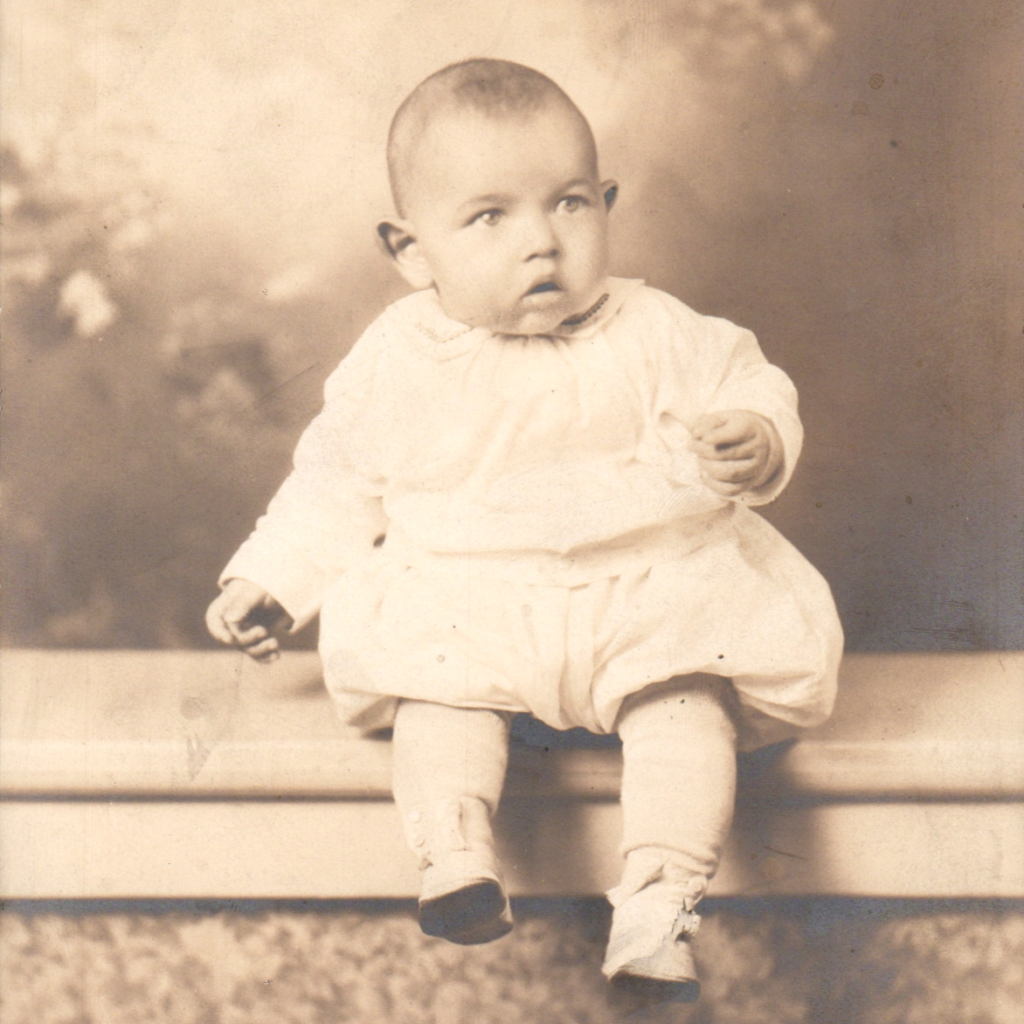
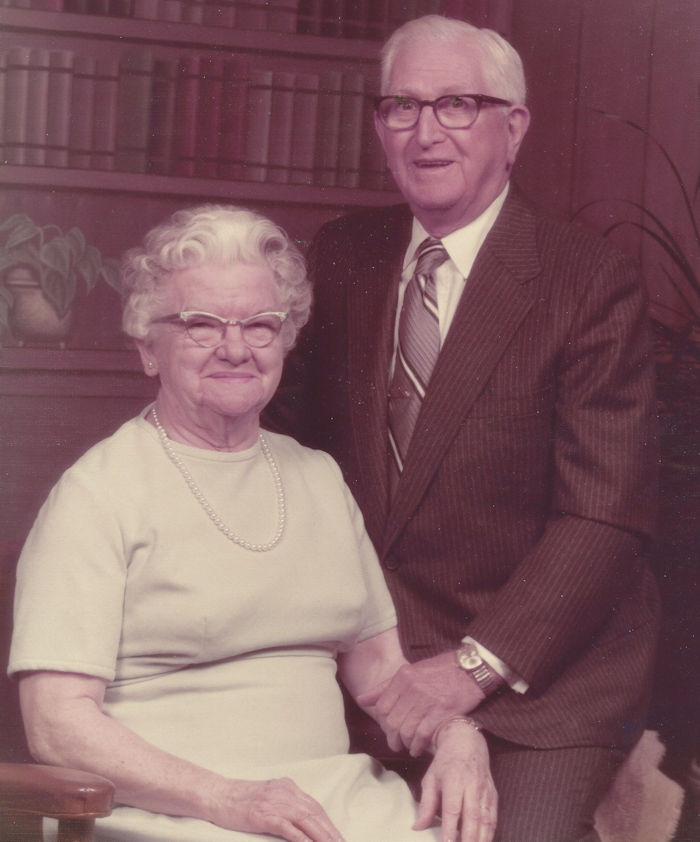
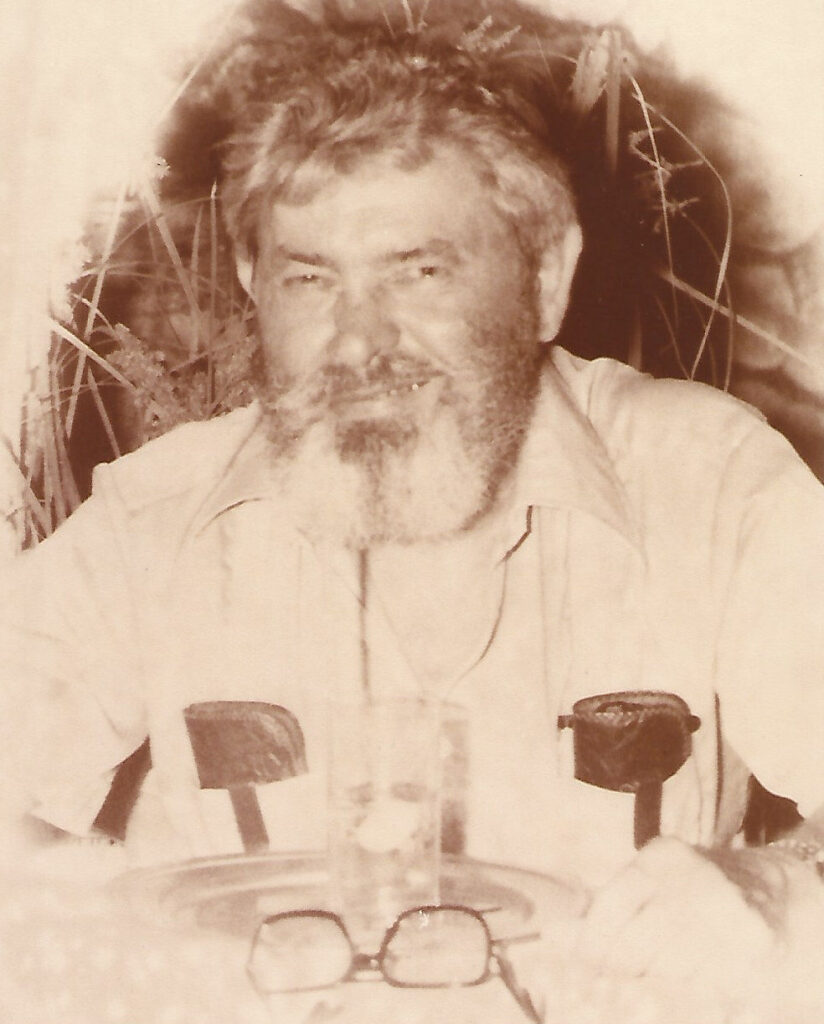
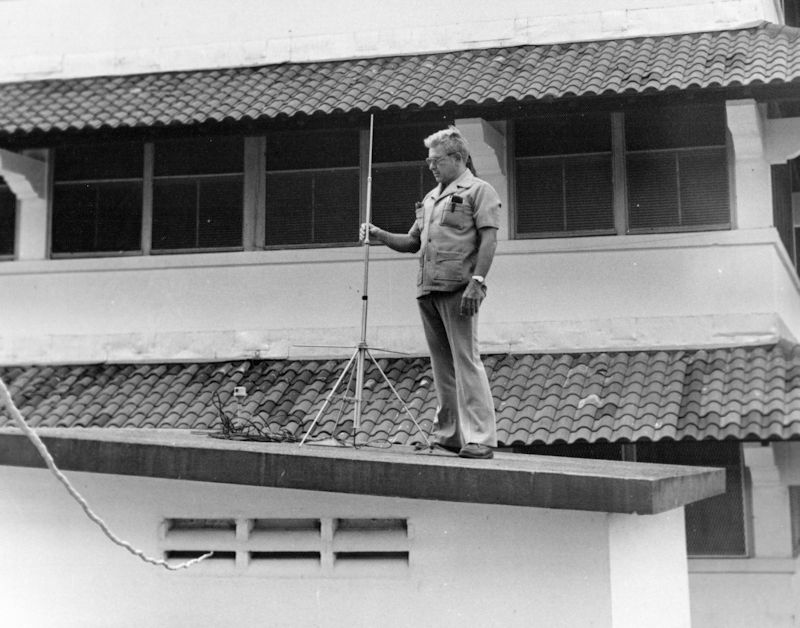
Raymond Johns was my grandfather. Recently my mother was having a nostalgic phase and began researching his career online. I decided to help, and create this site to document our findings. I was surprised by how much I ended up finding! Although I had always thought of my grandfather as having an exotic and exciting job, it was apparently a bigger deal than I ever realized!
Special Thanks goes to Jack Hild, who provided me with the majority of the documentation on Raymond’s employment.
My Grandfather was born “Raymond Phillip Johns” on June 1, 1926 in Pittsburgh, Pennsylvania to parents Leo and Alice Johns. He had 5 siblings; sisters MaryAnn and Eileen, and brothers Leo, William and Robert. My mother can’t recall, but she thinks perhaps Ray was the oldest of the 6 siblings.
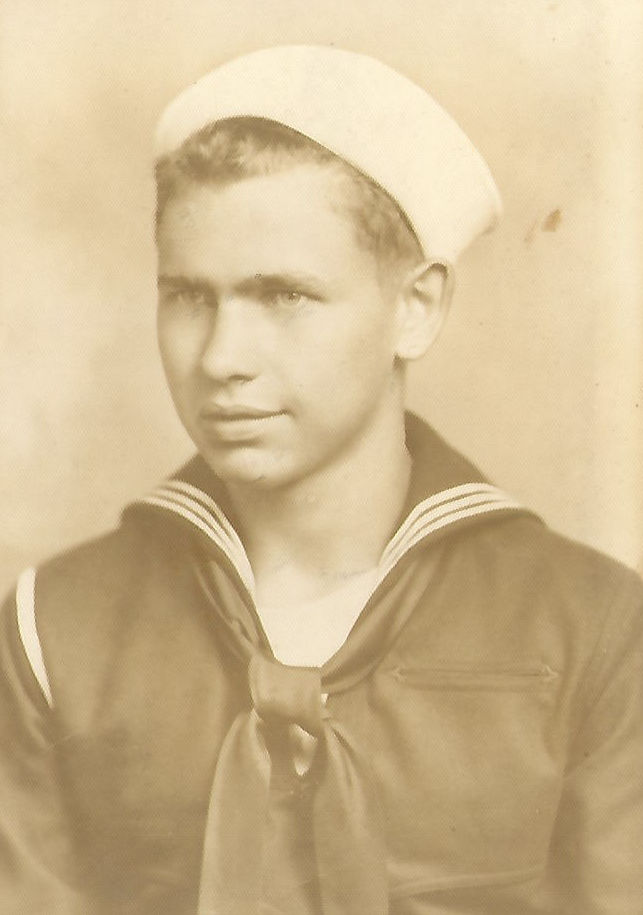
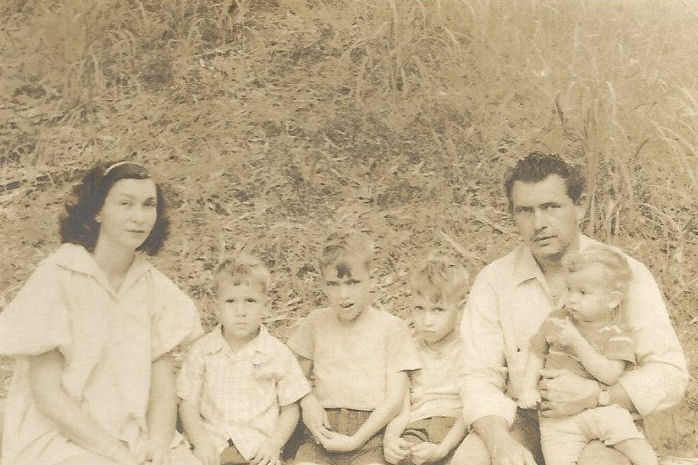
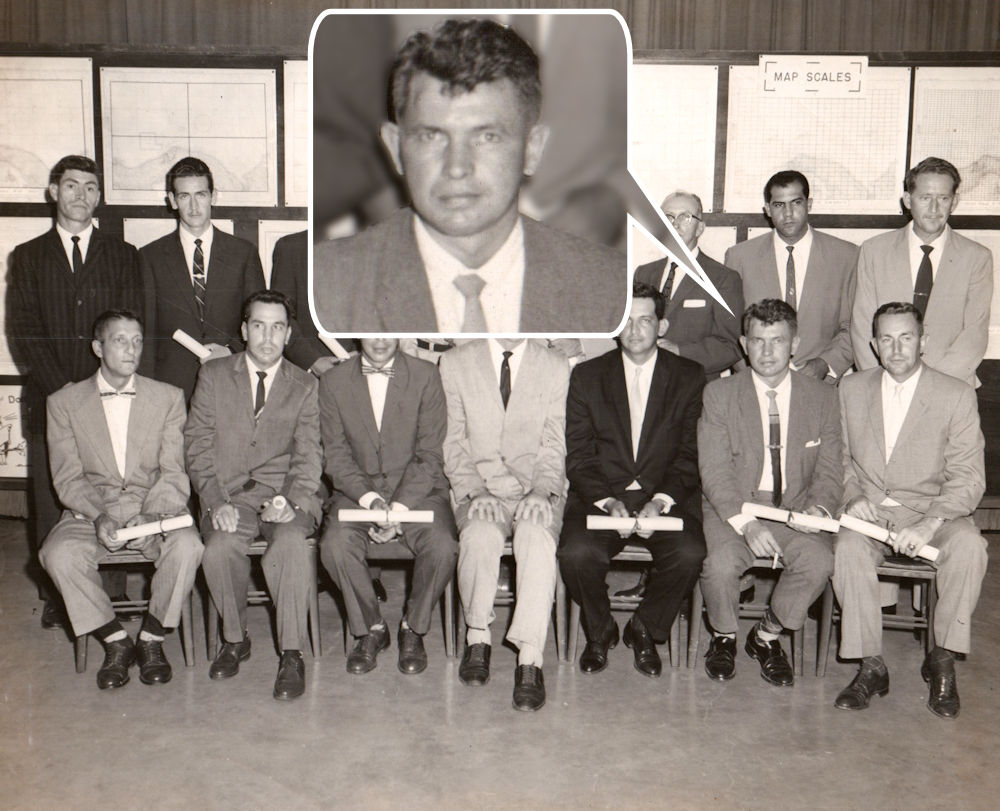
Raymond was an outgoing extrovert who was quite the adventurer! His crooked half-smile is evidence that his adventurous nature began at a young age; as a youth Raymond was climbing a tree and fell from its height, causing partial paralysis on the right side of his face. This resulted in the charming smirk that would become his signature grin for the rest of his too-short life of 52 years.
He could raise only the one left eyebrow as well, which lent his expression a frequent quizzical air. His fall and it’s subsequent consequences didn’t slow him down on his thrill-seeking journey !
Seeing him always cocking that left eyebrow and smiling his lopsided grin as a child, I ended up mirroring him by always raising my right eyebrow in a questioning manner, and when I am moderately amused, but not uproariously so, I’ll give a little half-grin as well.
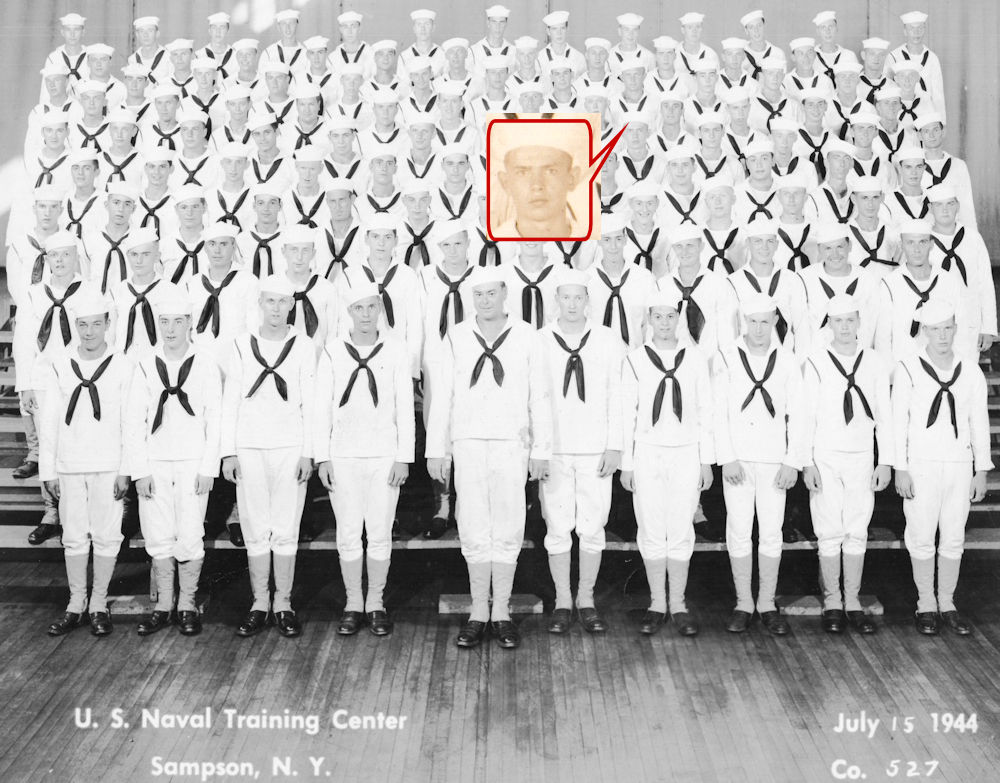
That intrepid spirit followed him into his adult life. At the age of 18 he signed up for a 2-year stint in the US Navy from June 1944 to June 1946. He trained at the (United States Naval Training Station) USNTC Sampson, in New York.
From there he continued to the Naval Submarine Base New London, which is the primary United States Navy East Coast submarine base, also known as the “Home of the Submarine Force.” It is located in Groton, Connecticut directly across the Thames River from its namesake city of New London.
The records I have access to list the submarines that Ray served on, but does not give details on his location or missions. However, looking at the history of the vessels, I have tried to determine where they might have been during his time aboard.
My mother was surprised to see he served on submarines, since she thought she recalled him saying he always wanted to serve on a sub but couldn’t due to some health issue. My uncle Kevin later cleared up her confusion. What he really wanted to do was serve as a “frogman” on a submarine, which involves scuba diving. The pressure underwater would have been a problem for him due to an ear issue (caused by that same tree fall as a child)
The vessels he served on were:
After being honorably discharged, he continued on to college, graduating from Penn State in 1953.
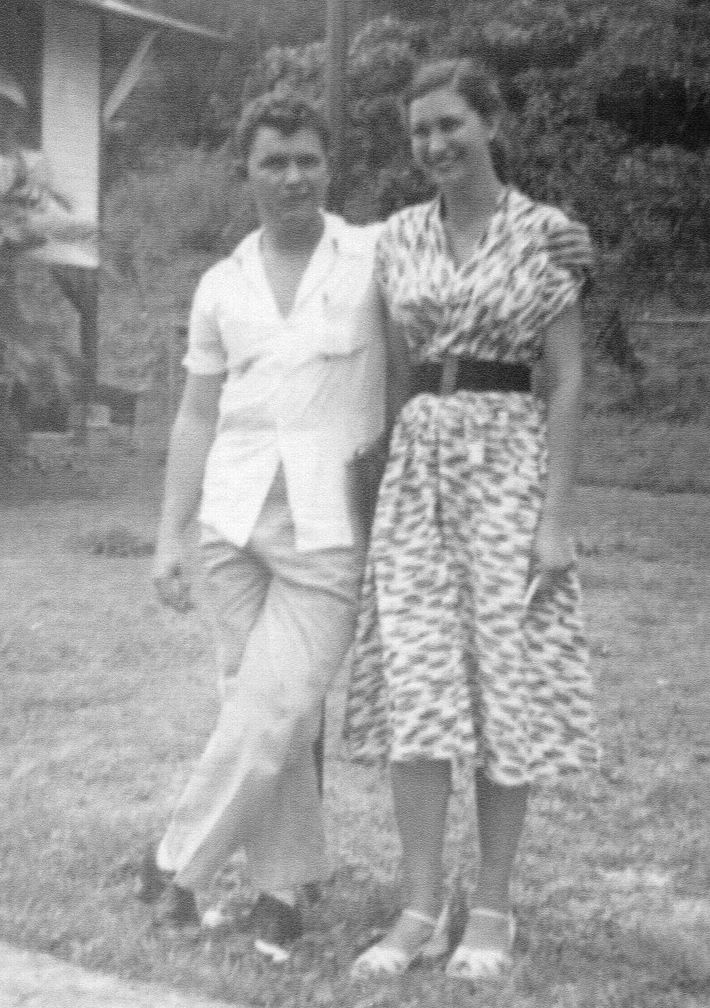
At some point during his schooling he met his future wife Lenora and they were married on May 14th, 1949. My aunt Kathy remembers that they met at a skating rink, but doesn’t recall any more about their story.
They had 3 children while they were still living in Pennsylvania; sons Phillip, Bruce and Vincent.
After graduation he almost immediately continued his daring exploits as a field cartographer working on a U.S. Military project. * Personnel records show a rapid progression, moving from a GS-07 Cartographer to a GS-9 Supervisory Cartographer in 1959 to a GS-11 in 1961. He was then promoted to GS-12 in 1969.
The military project he worked on was an exciting and historically significant undertaking called the Inter-American Geodetic Survey (IAGS). Learn more about the IAGS Project Here
* Data copied from tribute by Jack Hild
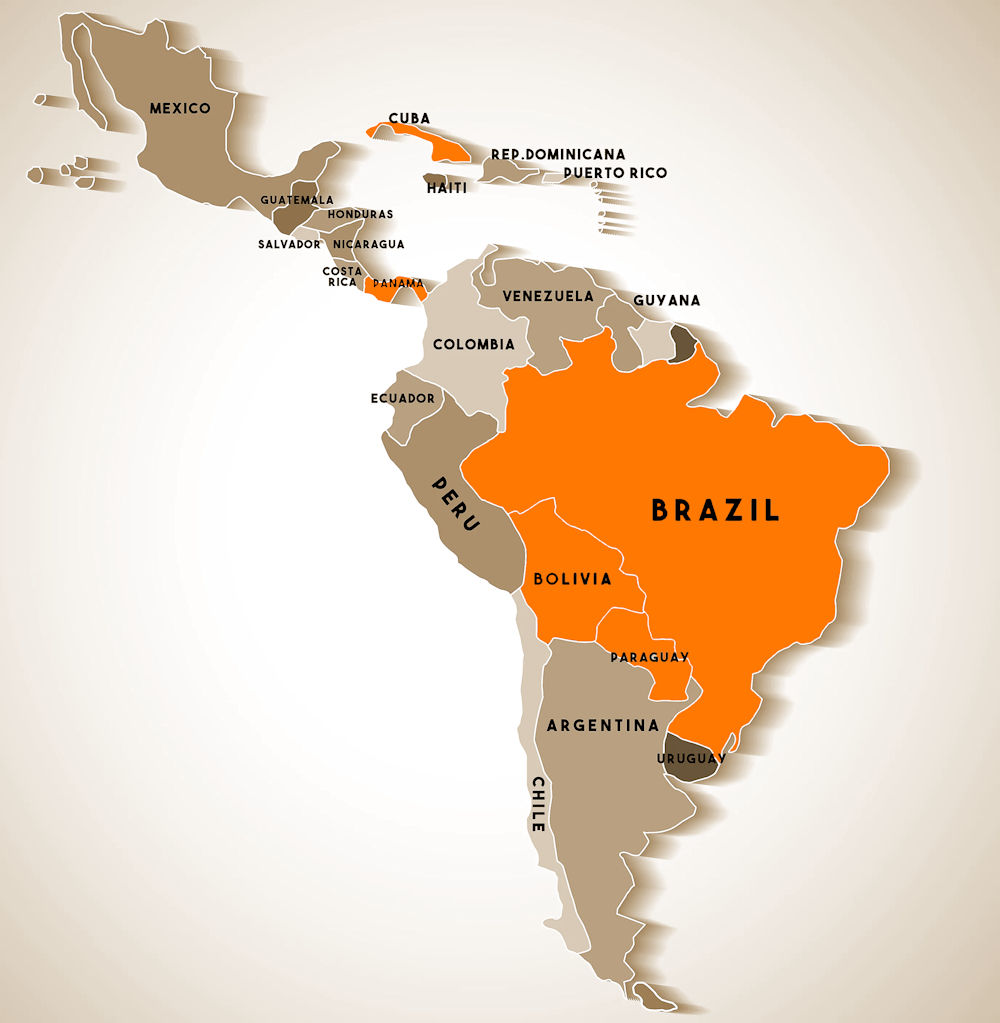
During his time with IAGS, Ray would work on at least a temporary basis in almost every country in Central and South America. He also had permanent station assignments where his family joined him in Bolivia, Cuba, Panama, Brazil and Paraguay. His work with IAGS was primarily in the field, so he often spent large blocks of time away from his family.
His first permanent assignment location after joining the IAGS project was in Bolivia from 1953-1956. I found very little mention of his time here, probably because he was still a new employee and had not yet “made his mark”. His outgoing and friendly nature ensured he made an impression on his peers in those first few years, and in later years he would be frequently mentioned in the IAGS Newsletter, called Que Pasa.
It was on this first assignment that my mother was born, on May 31, 1955. She missed sharing a birthday with her father by only one day day. She was also the first of his children to be foreign-born, as his first 3 sons were born in Pennsylvania before he started work on the IAGS project.
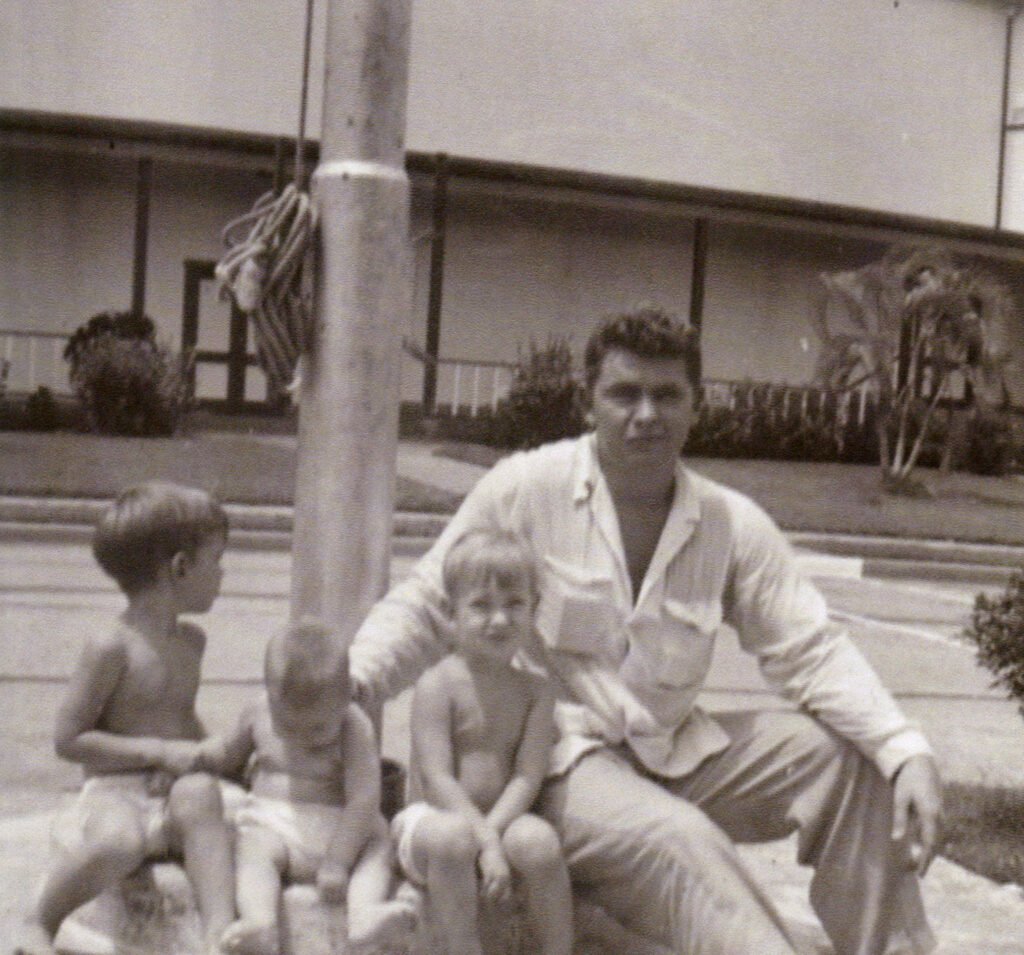
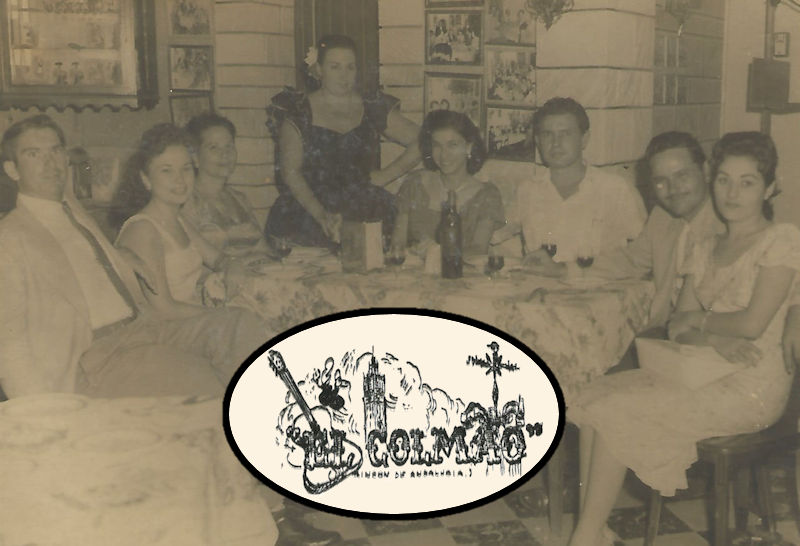
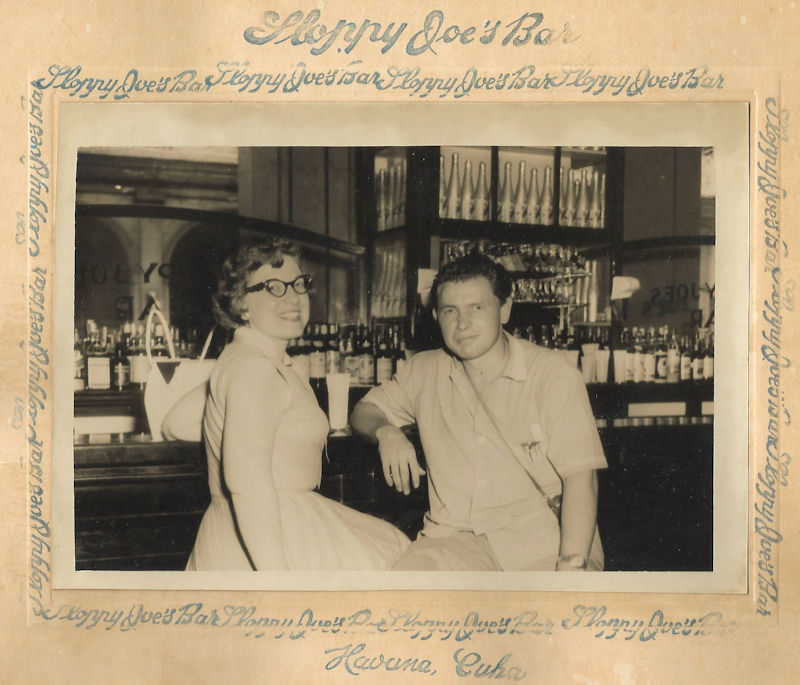
One of the permanent stations that I was able to find and identify the most photos of was Havana, Cuba between 1957 and 1960. Cuba is where their next child, Michael was born on March 13 1957, shortly after their arrival.
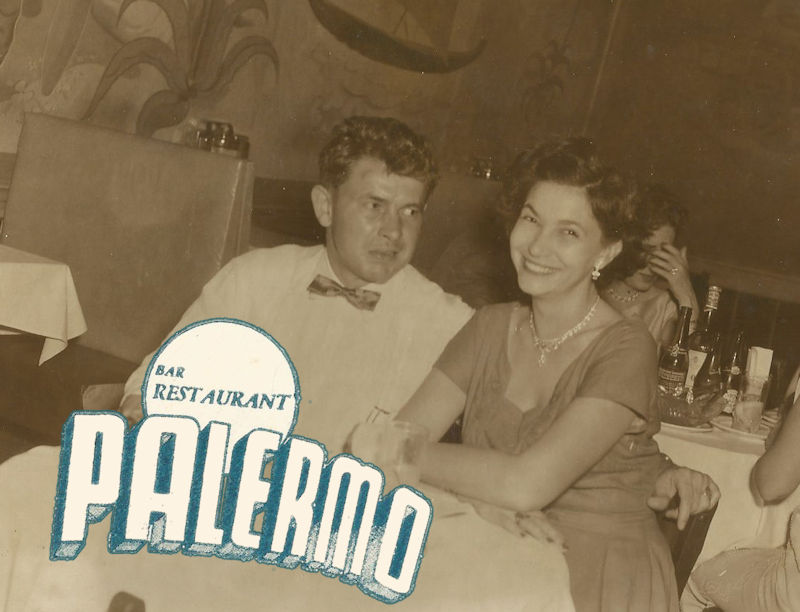
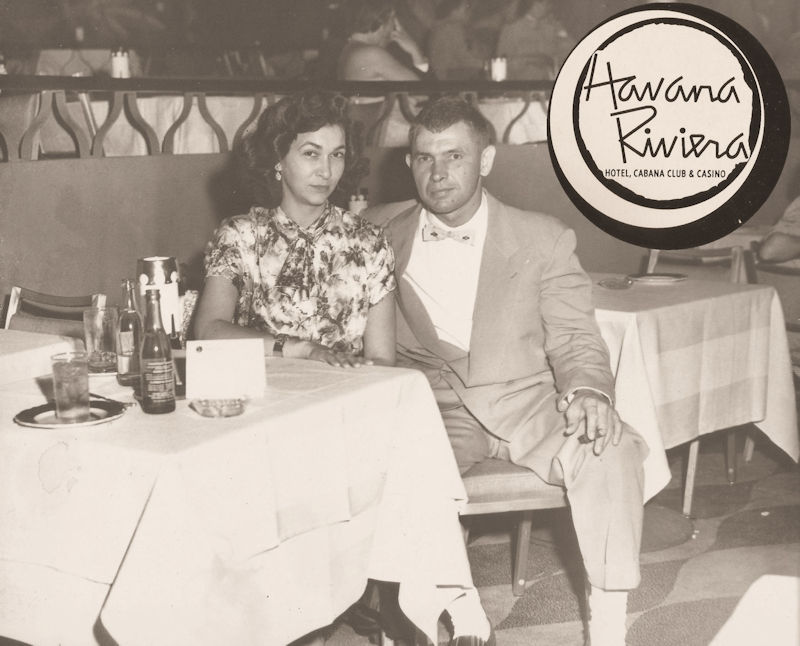
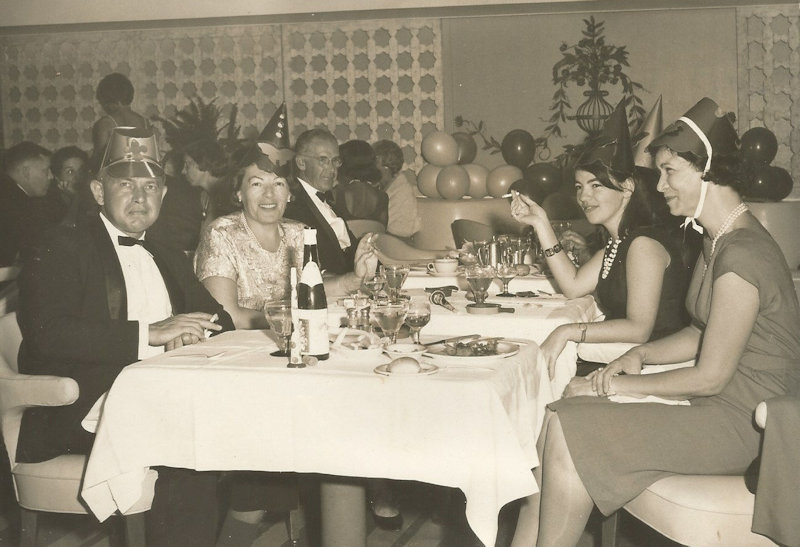
Ray and Lenora seemed to do a lot of eating out during this time, because they have several souvenir photos from local hotspots in Havana. Their active social life was somewhat surprising given the political climate in Cuba during their time there!
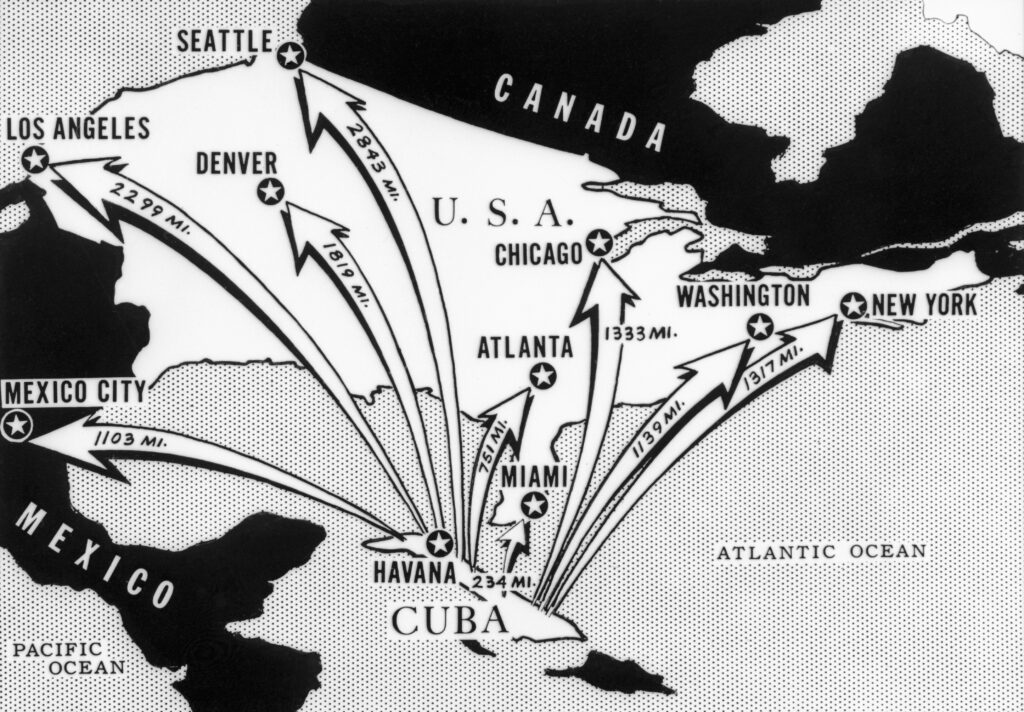
It was a time of unrest for the country, with the Cuban Revolution raging and Fidel Castro eventually taking power. With the Castro government’s growing hostility towards the United States, IAGS cartographers and surveyors began to depart. Ray was one of the last IAGS employees to remain in Cuba after Castro took power, along with a coworker by the name of William Hidalgo.
Remaining as long as they could to finish their work, Ray and William were soon forced to leave the island rather swiftly, leaving considerable IAGS property behind. The IAGS newsletter, Que Pasa, documented that by the time they fled, IAGS had completed imagery coverage and established a control network for Cuba. Former NGA Historian Dr. Gary E. Weir noted that although Ray and William were forced to abandon equipment in their urgency to flee the country, they did manage to ensure that IAGS had sufficient photo surveys and ground control points for full map coverage of Cuba. Thus the Defense Mapping Agency (DMA) had the data on Cuba that would be needed by the Defense Department in 1962 to quickly and efficiently respond to the Cuban Missile Crisis.
My mother recalls that while Raymond stayed behind after Castro’s army entered Havana, the family left as soon as possible on a military plane bound for Panama, to wait for him in a safer environment.
When I was a child looking through my grandmother’s jewelry box, I came across a letter that my Grandmother kept, signed by then President of the United States, Dwight D. Eisenhower, requesting permission for the Johns Family to leave the country. Unfortunately, no one seems to know what might have happened to this letter, which is a shame since it is a unique piece of history that could have been passed down the generations.
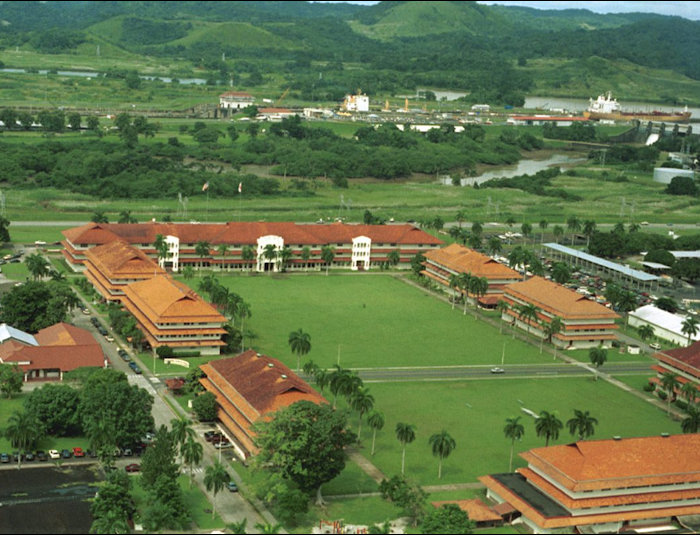
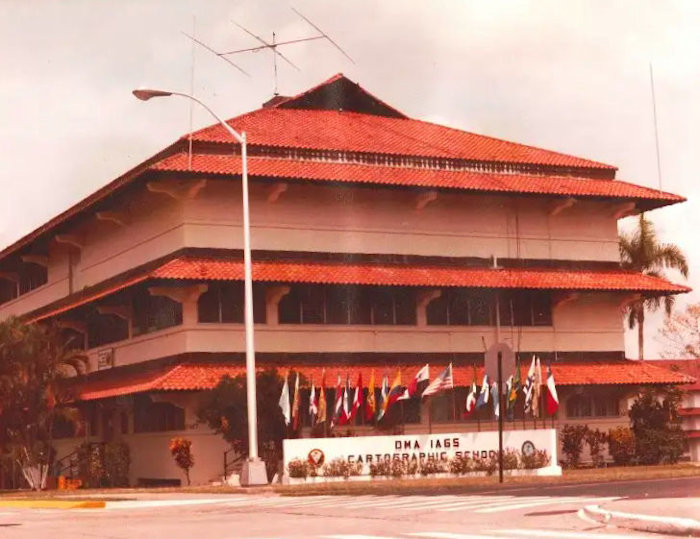
Because IAGS was headquartered at Fort Clayton, Panama, Ray would return here multiple times throughout his career; twice as a long-term assignment with his family, but also temporary visits to attend additional training courses at the Cartographic School.
His youngest son Kevin was born in Panama on 05/31/1961 during a 1-year stay in between assignments in Cuba (1957-1960) and Brazil (1961-1971). The June 1961 issue of the IAGS newsletter, Que Pasa, notes that Ray passed out cigars at work. Kevin missed being born on Ray’s birthday by only an hour and a half, even closer to sharing a birthday with Ray than my mother was!
Panama was also the last place he was stationed before his tragic death in 1979.
After Panama, the next stop on the Johns Family adventure was Brazil, where they stayed for longer than any other country; 10 years until 1971.
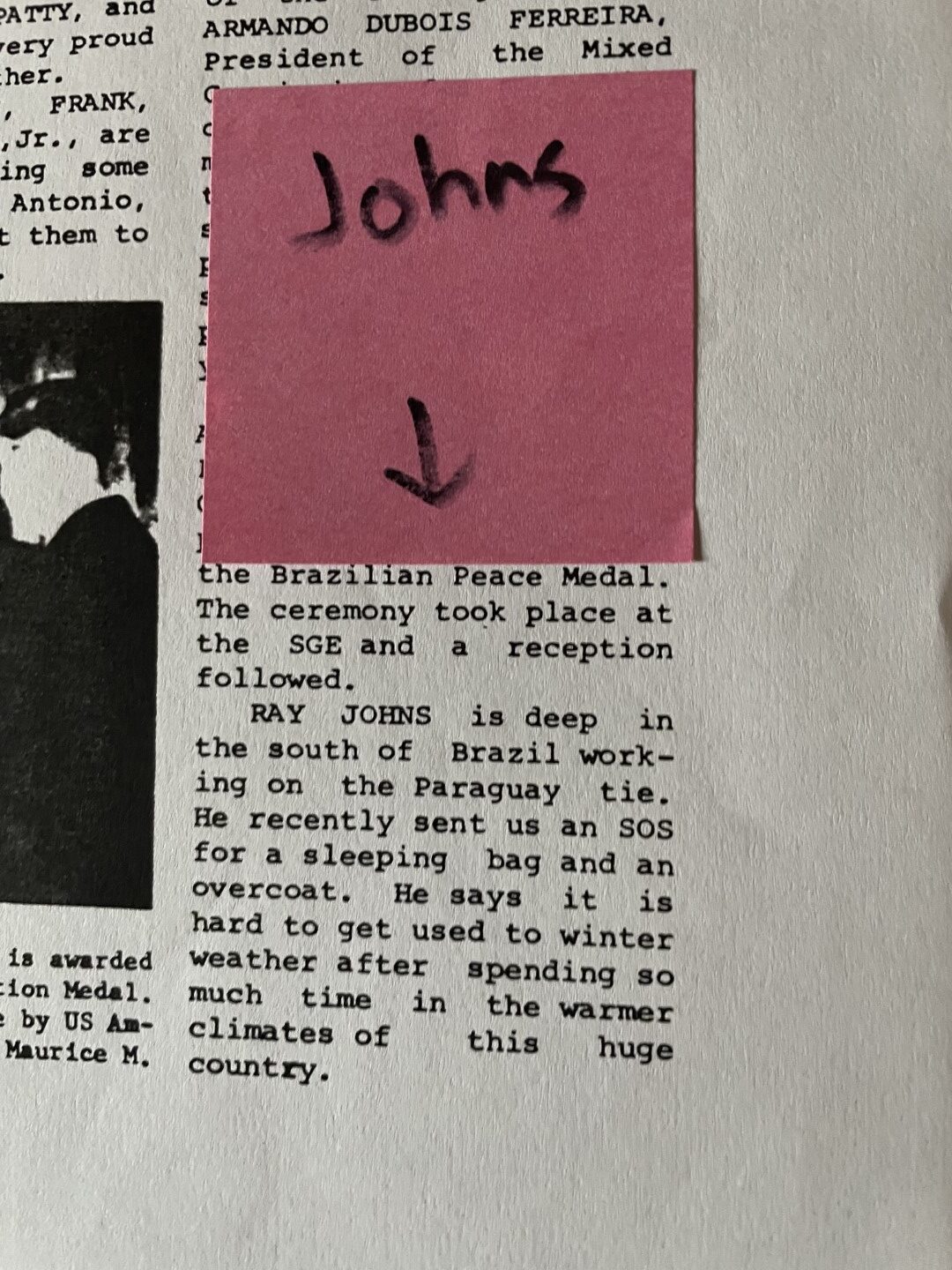
In June of 1963, Que Pasa reported that Johns was working in the far south of Brazil to tie the Brazil control network to the control network in Paraquay. He forwarded an “SOS for a sleeping bag and an overcoat”, saying that it was hard to get used to winter weather after spending so much time in the warmer climates of Brazil.
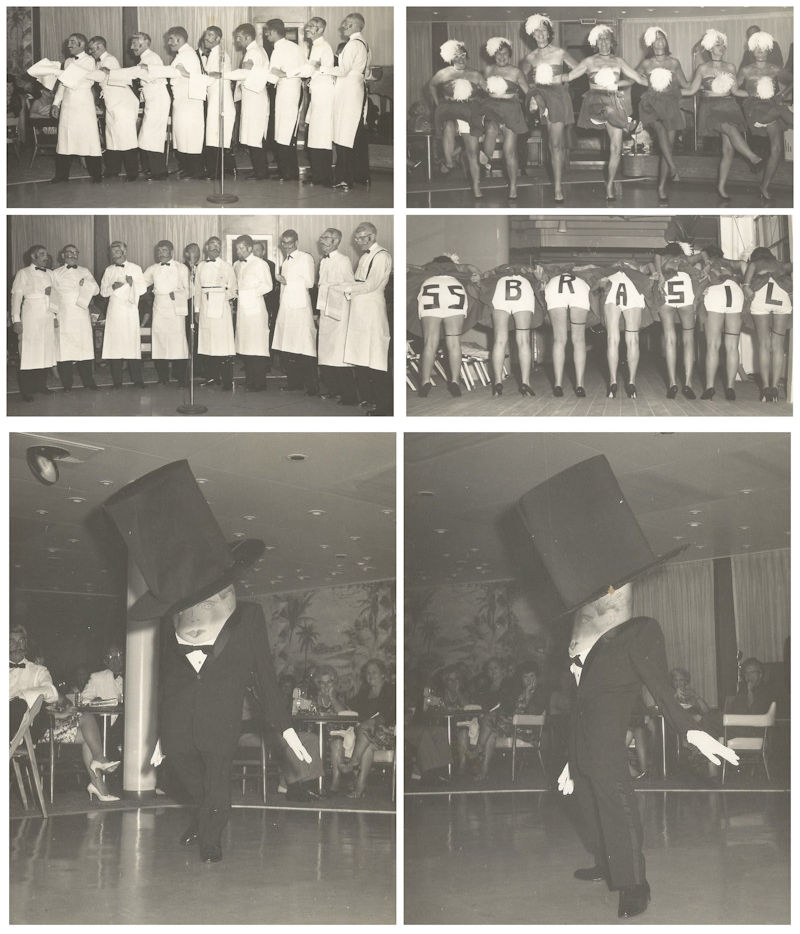
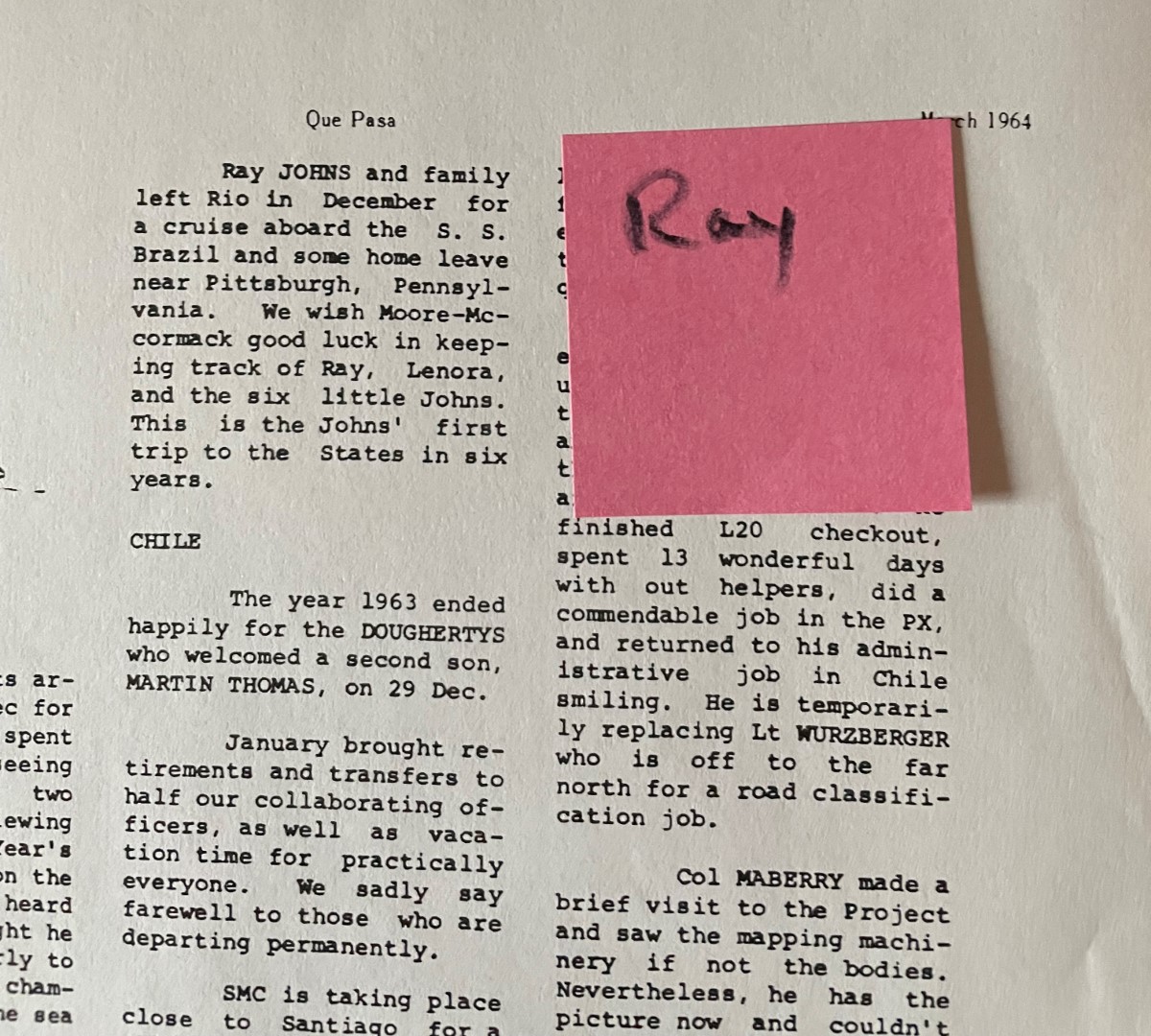
Another Que Pasa Newsletter (June 1964) mentions that in December 1963, after completing an assignment, Ray, his wife Lenora and six “little Johns” cruised aboard the S. S. Brazil and enjoyed some time at home for the first time in six years.
My Mom recalls that this was the only time the family had ever traveled home by ship, Which makes it stand out in her memory. That and the fact that they also made a stop at Washington, D.C. before continuing home to Pennsylvania. My uncle Bruce shared a story with Jack Hild about accompanying Raymond to the Pentagon during that trip, where he was left in a waiting room while his father met with a military Colonel.
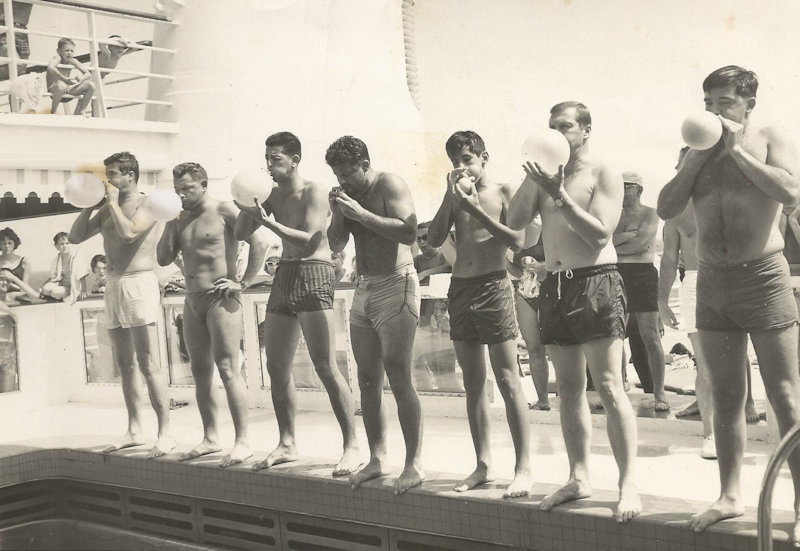
There were a lot of photos from their cruise aboard the S.S. Brasil. My mother laughed as she saw the photo of Ray blowing up a balloon by the side of the pool for some contest or game. She pointed out that while all the other men wore swim trunks, Raymond was wearing skimpy men’s bottoms, and said “He’d probably have been naked if they let him!” Apparently Ray was very free with his body for someone of his generation!
A few years later, still in Brazil, Ray and Lenora welcomed the last child to their brood of 7. Kathleen Johns was born on May 27th, 1965, only the second girl out of 7 children, making her my mother’s only sister and my aunt, although with only 8 years between us, we grew up more like sisters, sharing a bedroom for many years.
If you recall, one of Raymond’s field assignments in the cold climate far south in Brazil involved connecting control networks with Paraguay. It should come as little surprise that the next stop on the Johns Family journey was Paraguay, from 1971-1974.
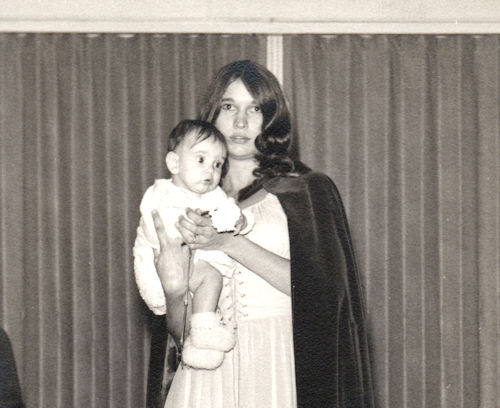
This is where I was born on February 4, 1973; the first (and only) grandchild to be born while Ray was still alive.
My mother was young when she had me, and since she was the middle child, the 3 youngest Johns children were still school-aged and living at home. I grew up hearing my grandmother and grandfather being called “Mom” and “Dad”, so that is how I addressed them as well. My own parents, by contrast, were “Mommy” & “Daddy”, and would remain so for many years, even after Ray’s death.
The last stop on Raymond’s permanent station assignments was a return to Panama in 1974. It was here that my own limited memories of my grandfather were all made. I was born while the family was still stationed in Paraguay in 1973, but we moved to Panama soon after so I have no memories from there.
Ray’s second grandchild (my brother) was born in Panama as well. Born just 6 weeks after Ray’s death, my brother never got to meet his Grandfather, but he was given the first name “Raymond” in his honor.
Although the family lived in Panama, Ray of course spent much of his time traveling the continent for work.
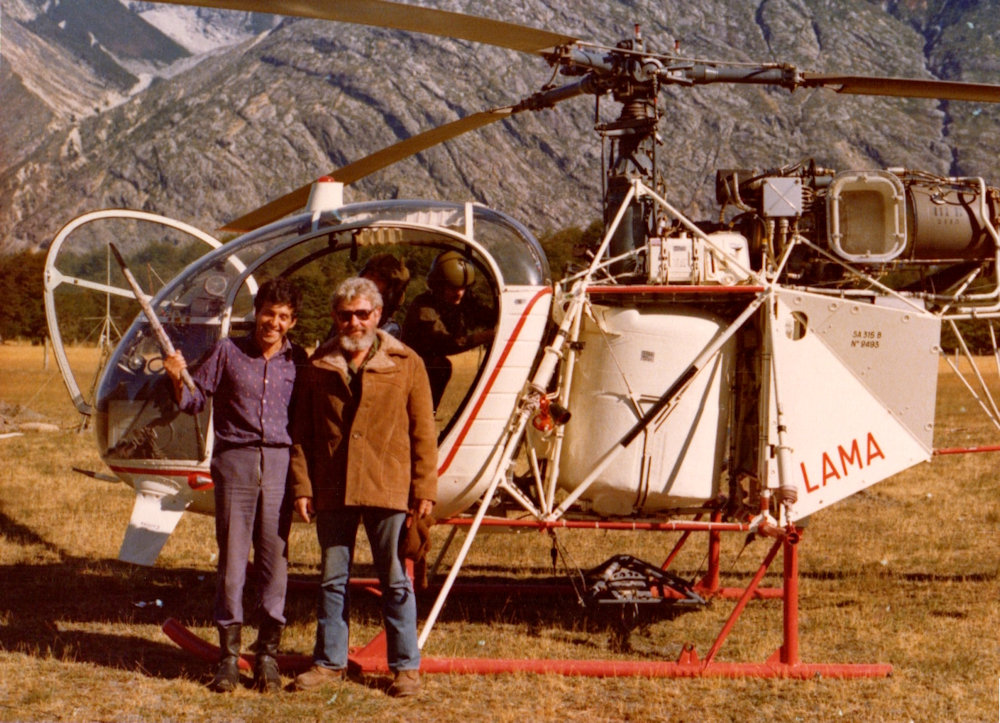
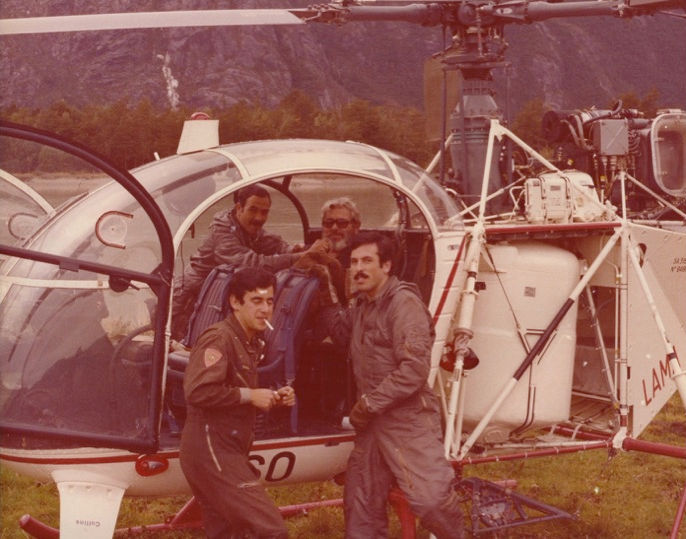
It was during a field assignment in Chile that Ray lost his life. He began working in Chile in October 1976 to support the first GPS measurement campaign in the southern zone of Chile.
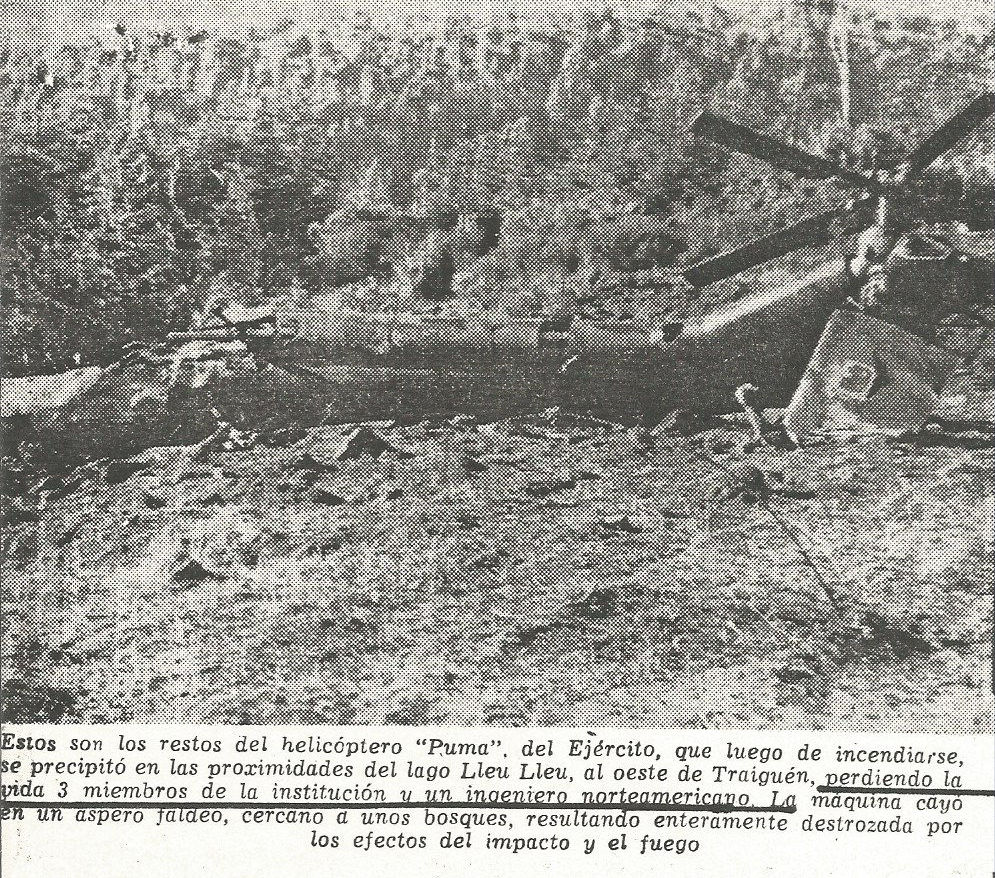
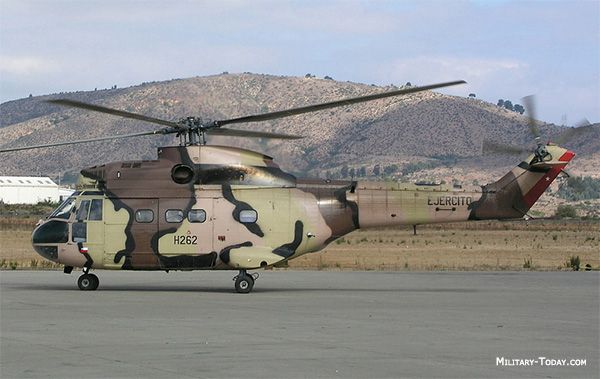
On February 22, 1979, Ray was traveling by helicopter between Puerto Montt and Concepción, when the crew sent out an emergency call, lost communication, and then crashed.
A villager who observed what happened said: “the machine accelerated and then fell to the ground engulfed in flames.” He arrived 20 minutes later to the crash location to find the deceased crew.
The mission had been a routine trip to retrieve a data cassette from a JM1 instrument, which was used to track and store satellite signals.
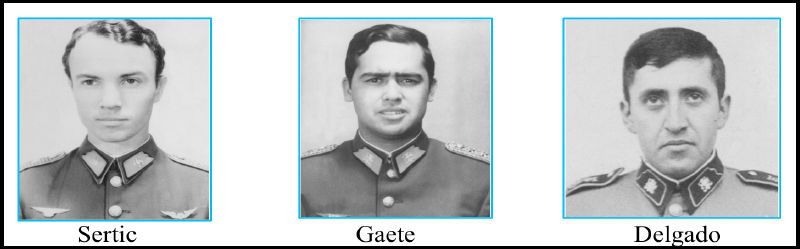
In addition to Ray, 3 Chilean Army officers were also killed in the crash.
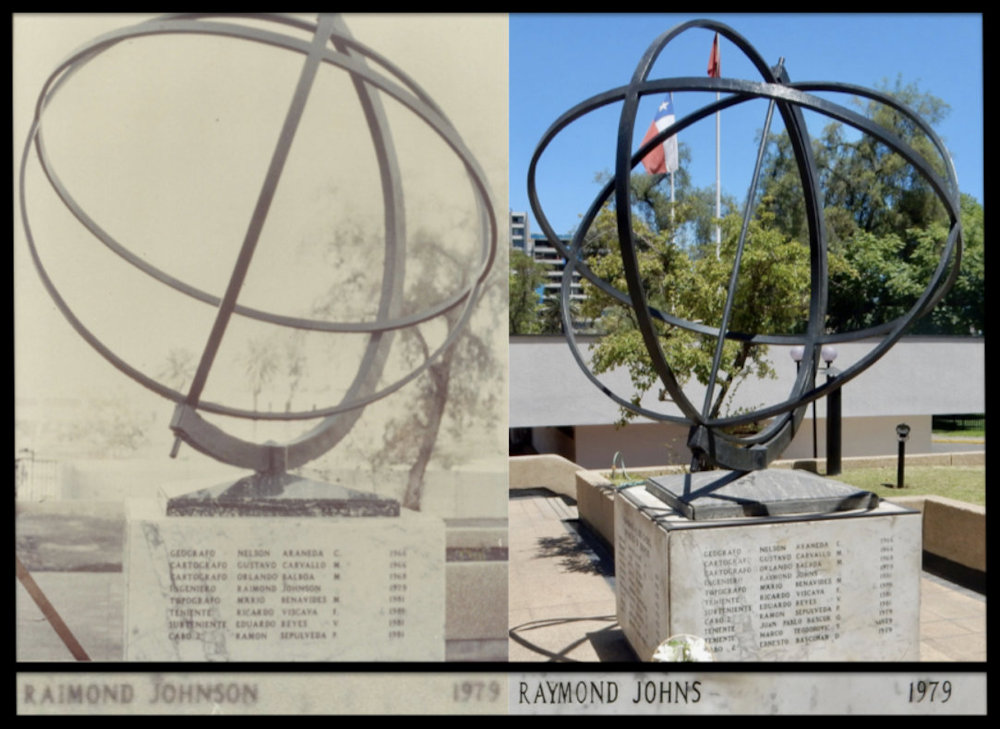
The Chilean government has erected a Monument to memorialize those individuals who lost their lives in the performance of the cartographic, geodetic and support missions of the Instituto Geografico Militar (IGM), the Chilean military mapping insitute. The photo on the left came from undated file photos in NGA’s IAGS archive. The photo on the right was taken by Jack Hild in January 2019. Initially Raymond’s name was misspelled, but has since been corrected.
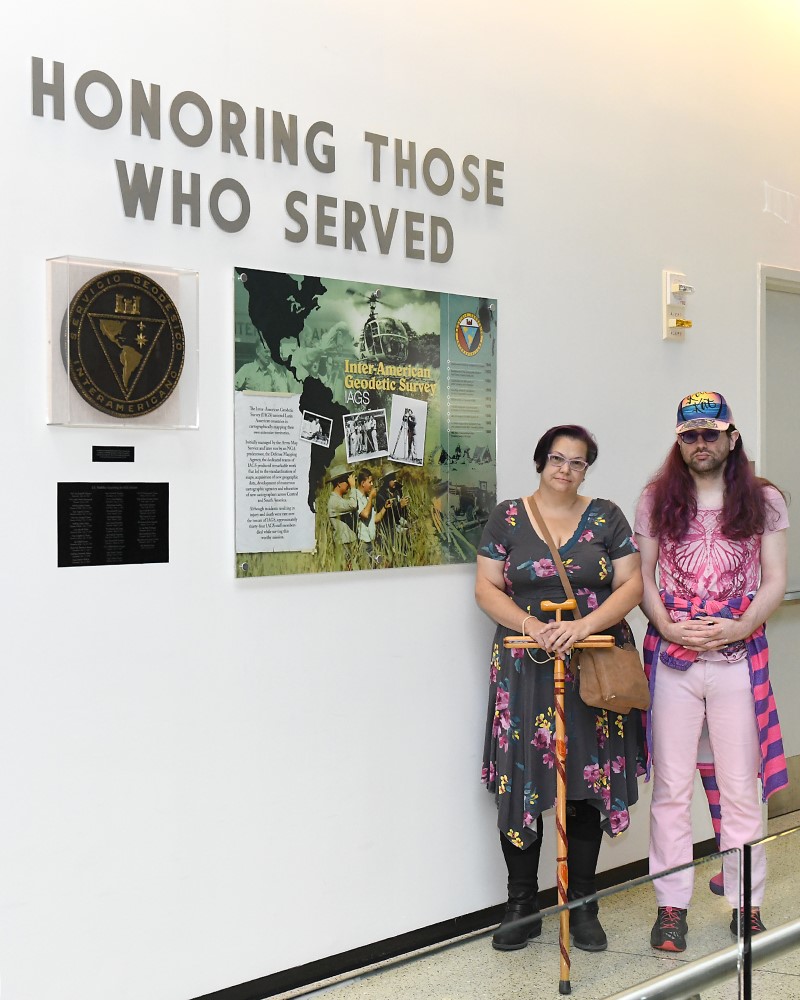
The NGA Headquarters has also erected a memorial to the men who lost their lives working for the IAGS project.